






How Much Weight Can You Lose In A Month

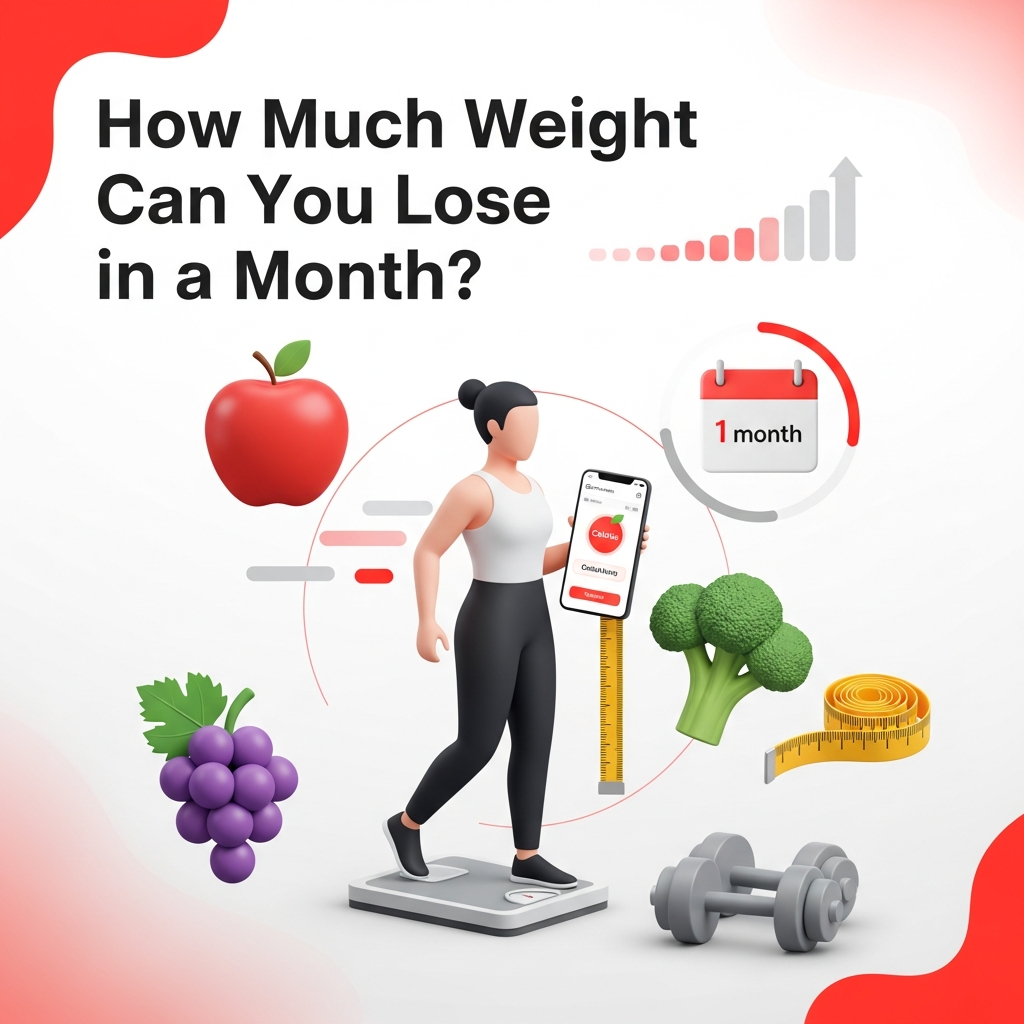
How Much Weight Can You Lose In A Month? Safe & Realistic Tips for Fat Loss
How Much Weight You Can Lose in a Month Safely and Sustainably
The central tenet of most sustainable, safe weight-loss plans is deceptively simple: you must eat fewer calories than you burn. But what you want to do is this at a safe, healthy, sustainable pace of weight loss, which ultimately affects how much weight you can lose in a month while maintaining metabolism and energy levels. A “thermic fence” of an excess or deficit of 500–1000 Calories per day is usually conducive to a loss at the rate of 0.45- 0.9 kilograms per week, which helps you understand how much weight you can lose in a month safely and sustainably. Determine your ideal body weight and calculate your Basal Metabolic Rate (BMR) and energy expenditure, as these factors influence how much weight you can safely lose in a month. Age, gender, BMI, and activity level also play a role in your total calorie needs and results.
Nutrition-wise, aim for balance rather than deprivation. Prioritizing a high-protein, high-fiber diet (like chicken or tofu), fibrous carbohydrates (oats and veggies), and healthy fats (nuts or olive oil) helps you lose more weight in a month while keeping your body healthy. These choices help control hunger hormones, facilitate sustainable fat-loss strategies, and influence sleep’s role in weight-loss hormones, all of which affect how much weight you can lose in a month. Mindful eating and avoiding ultra-processed foods further help prevent overeating and excess calorie intake.
Hydration is often overlooked, but it is essential for weight management and improving how much weight you can lose in a month. Swapping sugary drinks for water helps slash calories while supporting digestion and appetite control. The correct, safe, and sustainable pace of weight loss, healthy weight loss tips, impacts hunger hormones, and ensures that your metabolism works properly.
What is a Safe Weight Loss Rate?
The key to sustainable fat loss strategies is setting a safe and sustainable goal. Experts usually recommend a safe maximum weight loss per month. This translates into losing up to 5 kg safely per month. These gradual vs rapid weight loss studies help the body to make metabolic adaptations, thereby lessening the risk of muscle mass loss, slowing metabolism, or nutrient deficiencies from low-calorie diets that can occur from rapid weight loss side effects. Quick weight loss…sure, that sounds appealing. But in reality, fast weight loss is almost always followed by quick weight gain, and it derails long-term fat-loss success.
Gradual vs Rapid Weight Loss
Choosing gradual weight loss in the long run. It not only helps preserve muscle mass retention, but it can also help promote more effects of rapid weight loss on metabolism, so the weight stays off a bit more easily. “If you are able to maintain a calorie deficit of 500–1000 calories per day. which is extremely hard by the way, that would only equal about a half-pound of weight loss.” More personalized weight loss plans that are both safe and sustainable. Might include minor tweaks to both dietary and exercise habits, Wall says. However, such rapid weight loss is likely to stress the body, elicit metabolic adaptations, and promote yo-yo dieting.
Understanding Body Composition
A number can easily fool us; that’s why body fat percentage is so substantial. By reducing body fat while maintaining muscle mass, you help keep metabolic rate high and your body strong. Adding muscle through strength training and resistance workouts while following a proper nutrition plan will help you with this balancing act. Making muscle mass preservation a priority not only promotes long-term fat loss but also prevents metabolic adaptations, giving you a more substantial, healthier, and more functional body.
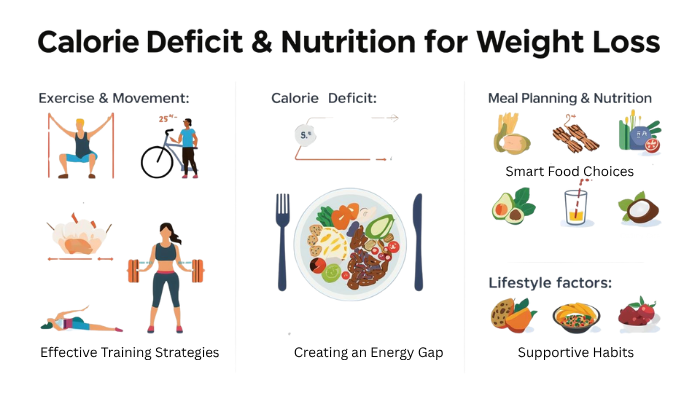
Calorie Deficit & Nutrition for Weight Loss
For body fat reduction, movement is crucial since it helps speed up calorie burn, enhance body composition, and maintain your muscle mass. The best results come from a well-rounded program that includes strength and cardio workouts.
Resistance and strength training are crucial for muscle mass preservation, which raises metabolism even when you’re not at the gym. Strength training with weights, resistance bands, or body-weight exercises (like squats and push-ups) can help prevent muscle loss during a calorie deficit. Shoot for 2–4 strength-training sessions each week, targeting all major muscle groups.
Moderate-intensity aerobic exercise, such as brisk walking, cycling, and swimming, increases your cardiovascular fitness and burns calories. The CDC recommends 150–300 minutes of moderate-intensity aerobic exercise to shed fat efficiently. Even incorporating variety, mixing a steady-state cardio session with short bursts of high-intensity interval training (HIIT), for example, can help prevent plateaus and make workouts more interesting.
The best way to combine resistance training and aerobic exercise is through Workouts such as HIIT (High-Intensity Interval Training), which combine the best of both worlds to improve endurance while achieving faster fat loss in a fraction of the time. In addition to structured workouts, avoid long periods of sitting or Sedentary behaviour. Move into your day, climb the stairs at work, walk after meals, or stretch often.
Creating a Calorie Deficit
Writing about this above all else, I believe “accountability” and tracking progress with apps are the key to success on a website when it comes to creating a calorie deficit. If you want to achieve safe and sustainable weight loss, go for
a calorie deficit of 500–1000 calories per day. This can yield weight loss at the rate of one to two pounds per week. The aim isn’t to starve your body; instead, create a calorie deficit through diet and exercise that is set up for fat loss but maintains muscle mass.
First things first, you need to know your Basal Metabolic Rate (BMR) and Total Daily Energy Expenditure (TDEE), and how many calories you burn in a day, to figure out how much energy your food provides against what you’re burning. Cutting your calories a bit beneath this range is what triggers safe and sustainable weight loss. Don’t slash calories too much, which can cause metabolic adaptations, nutrient deficiencies from low-calorie diets, and muscle breakdown. A mild calorie deficit is designed to encourage gradual and sustainable weight loss without being detrimental to your health.
Meal Planning & Healthy Eating Habits
Not only about calorie counting but also about calorie quality vs calorie quantity and good nutrition. Concentrate on whole, nutrient-dense foods and add balanced macronutrients to help you speed up your metabolism and satisfy hunger. “Focus on lean proteins as a part of a high-protein diet for weight loss,” Ghahrian says, as well as complex carbohydrates for sustained energy from vegetables, oats, and legumes, and healthy fats like avocado, nuts, and olive oil.
Listen to your hunger cues and practice mindful eating for fat loss and appetite regulation as much as you can, and portion control. Stay away from processed vs whole foodsthey tend to hide added sugars and not-so-good-for-you fats that can make it hard to hit your calorie needs and slow down progress protein-, fiber-, and micronutrient-dense balanced diet for sustainable weight loss. Meals keep your energy up and hunger at bay.
Hydration & Its Role in Weight Loss
Hydration, while underrated, is another key component of weight loss. Water aids in controlling appetite hormones, facilitating digestion, and increasing your metabolic rate, proving the link between hydration for appetite control and water intake and metabolism. Drinking water before meals for fat loss is a hydration habit for weight management, nature’s way to lower calorie intake, and swapping sugar-laden drinks for water, herbal tea, or sparkling water helps to slash unnecessary calories.
Dehydration, meanwhile, can be mistaken for hunger and lead to mindless snacking and potential weight gain.
Exercise & Physical Activity: Key to How Much Weight You Can Lose in a Month
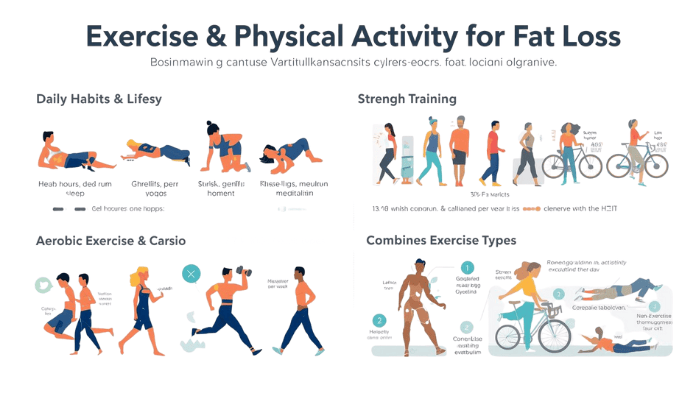
Diet and exercise are the driving factors behind healthy and sustainable weight loss. Still, a strong support system or community for weight management is just as important and far more inspiring along the way. Daily habits, such as sleep quality, stress management, and overall lifestyle choices, have a direct impact on metabolism, hunger hormones, and long-term success — all of which influence how much weight you can lose in a month.
There are few tools more underestimated than a good night’s sleep for regulating weight healthfully. Ghrelin (the hunger hormone) increases when we are sleep-deprived, and Leptin (the satiety hormone) decreases, causing us to overeat and crave sugar. Adults should aim for 7–9 hours of quality sleep every night to maximise fat loss, energy, and metabolic recovery, supporting consistent results in the weight you can lose in a month.
Persistent stress may also hinder progress by increasing cortisol, a hormone that promotes abdominal fat storage. Developing stress management skills, such as mindfulness, yoga, or deep-breathing exercises, can minimize emotional eating and enhance mental health, helping you lose more weight sustainably in a month.
The speed of results also depends on several factors affecting weight loss: hormones, age, gender, BMI, and activity level. Metabolism slows with age, leading to muscle mass loss, so strength training and protein intake become even more critical. Each person may experience different fat distribution and weight-loss rates, depending on body composition, which directly influences how much weight you can lose in a month. Additionally, those starting at a higher initial weight may see quicker early results due to a greater potential calorie deficit.
Strength Training to Retain Muscle
Strength training and resistance training are among the best systems for achieving fat loss and sustainable weight management. Unlike cardio exercise alone, strength and resistance-based workouts such as this one do wonders to preserve and build lean muscle mass, improving metabolism rate so you burn more calories all day, even at rest. This approach helps avoid becoming skinny fat and supports healthy body composition.
Good strength training routines focus on compound exercises like squats, deadlifts, push-ups, and rows. Aim for 2–4 strength-training sessions per week, targeting all major muscle groups. Combine regular strength training with a moderate calorie deficit (500–1000 calories per day), and you’ll promote fat loss while maintaining muscle mass and preventing metabolic slowdown.
Aerobic Exercise & Cardio
Cardio workouts and aerobic exercise help to increase calorie burn, improve cardiovascular health, and support overall endurance and body fat reduction. Whether it’s brisk walking, jogging, cycling, or swimming, performing regular aerobic activity will go hand-in-hand with your fat loss and weight management program.
We need 150–300 minutes of moderate-intensity aerobic exercise per week or shorter periods of high-intensity interval training (HIIT). For instance, a 30–45 minute brisk walk or 20 minutes of cycling most days can substantially boost energy expenditure and encourage gradual weight loss when combined with a balanced calorie-deficient diet.
Combining Exercise Types
For the best weight loss results, combine strength training, high-intensity interval training (HIIT), and moderate-intensity aerobic exercise. This combination helps to burn body fat efficiently, preserve lean muscle mass, and make workouts sustainable and enjoyable.
HIIT workouts alternate between short bursts of vigorous activity and recovery periods, allowing you to maximize calorie burn and increase metabolic rate in less time.
Beyond structured exercise, avoid prolonged sitting, try to stand, stretch, or walk regularly throughout the day. This type of non-exercise activity thermogenesis (NEAT) supports fat metabolism, improves energy balance, and enhances overall metabolic health in the long run.
Lifestyle Factors That Influence How Much Weight You Can Lose in a Month
Diet and exercise are undeniably the primary factors in achieving sustainable weight loss, but lifestyle habits also have a significant impact on how effectively and sustainably fat reduction occurs. Daily behaviours such as sleep quality, stress management, and recovery routines directly affect metabolism, hunger-regulating hormones, and long-term fat loss results.
Sleep is one of the most underrated components of healthy weight management. Lack of sleep elevates ghrelin levels (the hunger hormone) and reduces Leptin (the satiety hormone), leading to increased cravings and calorie intake. Aim for 7–9 hours of restorative sleep to optimise fat metabolism, energy balance, and muscle recovery.
Chronic stress raises cortisol levels, a hormone linked to abdominal fat accumulation and slower weight-loss progress. Incorporating mindfulness, yoga, or deep-breathing exercises supports stress resilience, helps prevent emotional eating, and promotes mental well-being.
Finally, individual weight loss outcomes can vary depending on age, hormonal changes, gender, and starting body weight. As metabolic rate declines with age and lean muscle mass decreases, strength training and adequate protein intake become essential for maintaining muscle tone and boosting metabolism. People who begin at a higher body weight may experience faster initial fat loss due to a larger calorie deficit potential.
Sleep & Weight Regulation
Quality sleep plays a crucial role in weight management and sustainable fat loss. When you’re sleep-deprived, your body produces more ghrelin, the hunger-stimulating hormone, and less Leptin, which signals fullness, leading to increased appetite and cravings for calorie-dense, high-sugar foods.
Research consistently shows that adults sleeping fewer than seven hours per night are at a higher risk of weight gain and metabolic dysregulation. Aim for 7–9 hours of restorative sleep each night to support optimal metabolism, hormone balance, and muscle recovery.
Establishing a consistent sleep routine, reducing blue-light exposure before bedtime, and maintaining a dark, calm, and quiet environment can significantly enhance sleep quality, ultimately improving fat metabolism, energy regulation, and overall weight-loss outcomes.
Stress & Emotional Eating
Chronic stress can significantly hinder fat loss efforts by elevating cortisol levels, a stress hormone linked to increased abdominal fat storage and slower metabolism. Elevated cortisol not only promotes visceral fat accumulation but can also disrupt hunger-regulating hormones, leading to emotional eating and higher calorie intake.
Incorporating stress management techniques such as mindfulness, meditation, yoga, or deep breathing exercises helps reduce cortisol, curb stress-induced cravings, and support balanced eating habits. Taking mental and physical breaks, spending time in nature, or engaging in enjoyable hobbies can further enhance emotional well-being, prevent stress eating, and support long-term weight management.
How quickly you can lose body fat depends on several factors, such as age, hormonal balance, body composition, and starting weight. As we age, metabolic rate naturally declines, meaning the body burns fewer calories at rest. Additionally, hormonal changes, especially during menopause in women, can alter fat distribution, increase abdominal fat storage, and influence energy expenditure.
Individuals with a higher body mass index (BMI) or greater fat percentage may experience faster initial weight loss, as they have a larger calorie deficit potential. Meanwhile, leaner individuals often experience slower but more sustainable fat loss over time. Understanding these metabolic and hormonal factors can help maintain motivation, set realistic expectations, and support long-term weight management success.
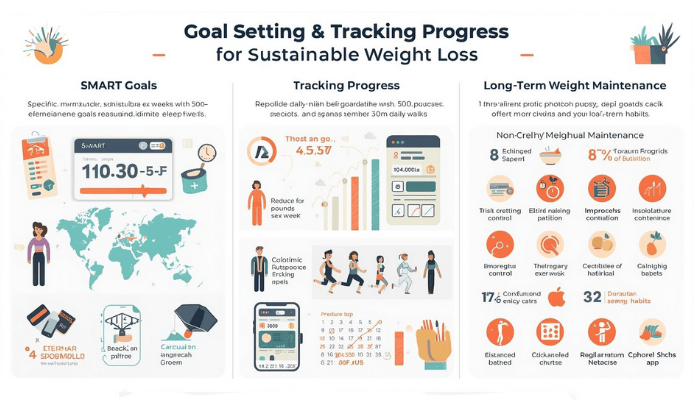
Goal Setting & Tracking to Maximize How Much Weight You Can Lose in a Month
Real and sustainable weight loss begins with goal setting, progress tracking, and structured behavior reinforcement. Without a clear plan, it’s easy to get sidetracked or discouraged by temporary weight fluctuations. That’s why realistic goal setting and regular monitoring are essential components of any successful weight management program, helping you clearly understand how much weight you can lose in a month based on your consistency and habits.
The SMART goal framework is highly effective; goals should be Specific, Measurable, Achievable, Relevant, and Time-bound. For example, instead of simply aiming to “lose weight,” set a goal such as: “I will reduce six pounds over six weeks by maintaining a 500-calorie daily deficit and walking 30 minutes per day.” This structured approach helps you stay on track and provides a clear roadmap for how much weight you can lose in a month through consistent, measurable actions.
Monitoring progress doesn’t require obsessing over the scale. Weight naturally fluctuates due to water retention, muscle gain, or hormonal changes. Instead, use a combination of weekly weigh-ins, progress photos, energy tracking, and body measurements. Celebrating non-scale victories such as improved energy, better sleep, and healthier eating habits helps sustain motivation and consistency, key drivers of how effectively you can lose weight in a month.
Once your goal is reached, shift focus to long-term weight maintenance. Continue making mindful food choices, staying physically active, and monitoring daily lifestyle habits to prevent weight regain. Consistency, awareness, and realistic planning not only promote short-term results but also support lifelong health, wellness, and sustainable fat loss, ensuring your progress reflects how much weight you can safely and sustainably lose in a month.
Setting Realistic & SMART Goals
First and foremost, start by setting SMART goals: Specific, Measurable, Achievable, Relevant, and Time-bound. Instead of a vague goal like “lose weight fast,” focus on realistic and sustainable weight loss objectives, such as: “maintain a 500-calorie daily deficit to achieve 1–2 pounds of fat loss per week.” This approach encourages habit formation and long-term adherence rather than short-term, unsustainable results.
It’s equally important to focus on daily behaviors and lifestyle habits, not just the end goal. For example, while losing 10 pounds in one month is unrealistic, you can consistently walk 10,000 steps per day, increase vegetable intake, and limit sugary beverages to create a gradual, safe calorie deficit that promotes fat loss while preserving muscle mass.
Tracking Progress Without Obsession
Tracking your progress is essential for accountability in weight management, but avoid becoming obsessed with daily scale numbers. Utilize journaling apps, weekly weigh-ins, or progress photos to monitor long-term trends in weight and body composition rather than short-term fluctuations.
Remember to celebrate non-scale victories (NSVs), such as increased energy levels, improved sleep quality, or fitting into smaller clothing sizes. These milestones reinforce healthy behavior patterns, support long-term adherence, and promote a positive mindset toward fitness, nutrition, and self-care.
Long-Term Weight Maintenance
Maintaining a healthy weight relies on a combination of balanced nutrition, regular physical activity, and preserving lean muscle mass. Continue practising portion control, strength training, and mindful eating even after reaching your target weight to support long-term fat loss maintenance.
Avoid reverting to previous habits, as this can lead to weight regain and metabolic slowdown. The key is to adopt a sustainable, health-focused routine rather than a restrictive diet, promoting lifelong healthy behaviors and stable metabolic function.
Advanced Options to Enhance How Much Weight You Can Lose in a Month?
Lifestyle habits are the foundation of successful, safe, and sustainable weight loss, from healthy eating to regular physical activity. Some individuals, however, may benefit from additional support, including medically supervised interventions.
For those seeking evidence-based solutions, doctor-supervised weight loss programs and GLP-1 receptor agonist medications (such as Ozempic, Wegovy, or Mounjaro) offer effective options for managing obesity or weight-related conditions, including type 2 diabetes (T2D), polycystic ovary syndrome (PCOS), and metabolic syndrome. These approaches help promote safe, gradual, and sustainable fat loss while mitigating rapid weight loss side effects.
Medical Weight Loss Programs
Medically supervised weight loss programs are structured plans designed and monitored by healthcare professionals to ensure safe, gradual, and effective weight loss. These programs typically include personalised nutrition plans, tailored exercise routines, and prescription medications under close medical oversight, promoting fat loss while preserving lean muscle mass and supporting metabolic health.
In recent years, GLP-1 receptor agonist medications that mimic the effects of natural gut hormones have become popular additions to these programs. Examples include Ozempic, Wegovy, Mounjaro, and other FDA-approved drugs. These treatments are beneficial for people managing obesity or weight-related conditions, providing enhanced fat reduction when combined with lifestyle modifications.
When paired with behavioral changes such as dietary adjustments, structured exercise, and proper hydration, medically supervised programs can accelerate results while maintaining long-term weight management. Importantly, these strategies should be implemented only under professional medical supervision to prevent adverse effects and ensure the approach is safe and effective for an individual’s unique health profile.
Popular Programs & Medications
The most widely studied GLP-1 receptor agonists are Semaglutide (Ozempic, Wegovy) and Tirzepatide (Mounjaro, Zepbound). Clinical trials show that when these medications are combined with dietary modifications and regular exercise, individuals can lose 10–15% of body weight over several months, significantly more than lifestyle changes alone.
Programs like the Juniper Weight Reset Program, Ovivo, and other clinically supervised weight management clinics provide personalized online consultations, health tracking, and ongoing coaching, helping clients achieve safe, sustainable, and long-term fat loss.
It is essential to understand that these medications are not magic bullets. Potential side effects include nausea, constipation, or digestive discomfort, and weight is often regained if healthy lifestyle habits are not maintained after discontinuation.
Conclusion:
By combining proper nutrition, exercise, and lifestyle habits, you can safely increase how much weight you can lose in a month while maintaining long-term results.
Frequently Asked Questions (FAQs)
- Can I lose 5 kilos in a month?
Yes, but it’s aggressive. For safer weight loss, it is recommended that you lose no more than 1-2 pounds per week to maintain muscle and metabolism. - Can a person lose 20 pounds in a month?
No, this is unsafe. Extreme weight loss can lead to yo-yo dieting, muscle atrophy, and health risks. - Can you lose 10 kg in 1 month safely?
Generally not. Strive to lose 4-8 pounds per month through a caloric deficit, activity, and healthy eating. - How much weight can you lose in a month with diet and exercise?
When you eat a healthy diet and rotate your exercise, most people can safely lose 4–8 pounds (2–4 kg) per month. - How much weight can you lose in a month with Ozempic / Wegovy / Tirzepatide?
These drugs can help with weight loss. Some may lose 5–10% of their body weight in a month, but medical oversight and lifestyle changes are crucial.